Drama in Form Expression
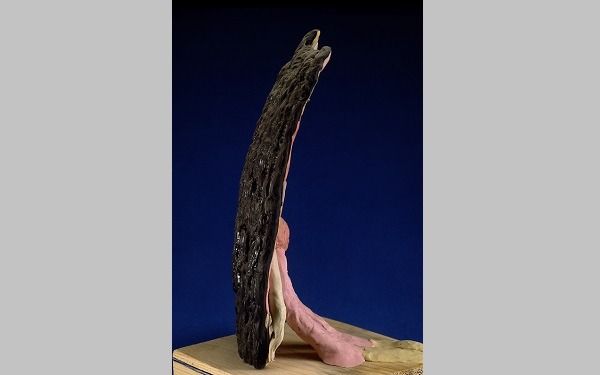
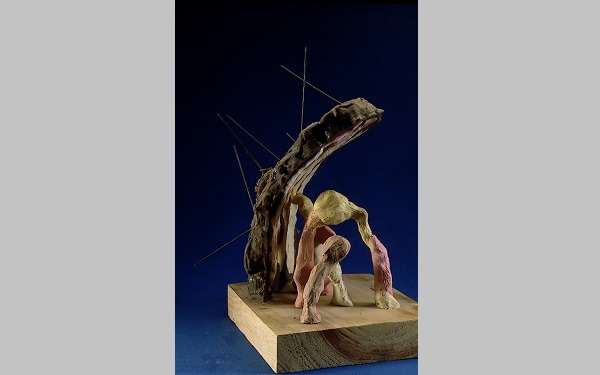
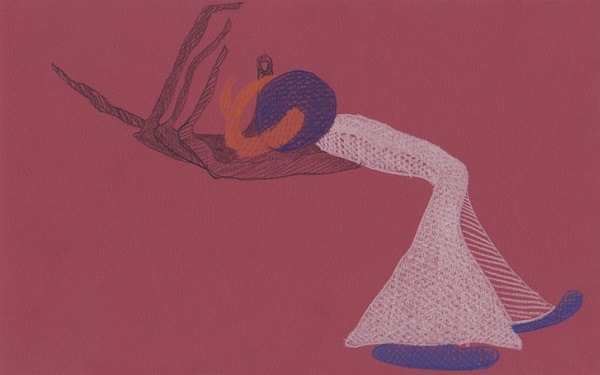
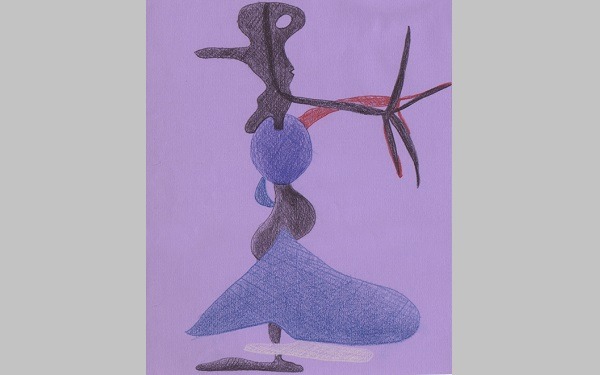
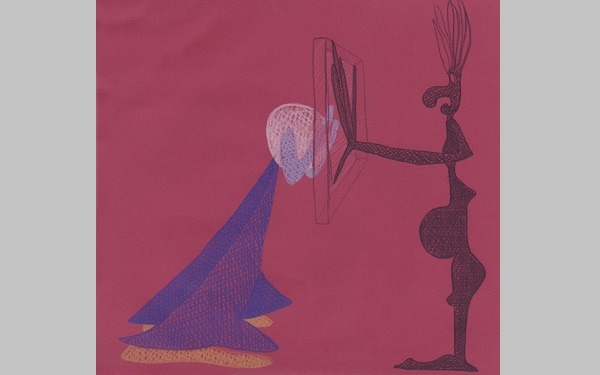
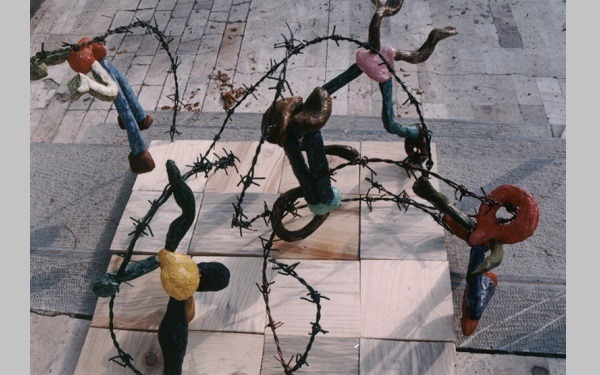
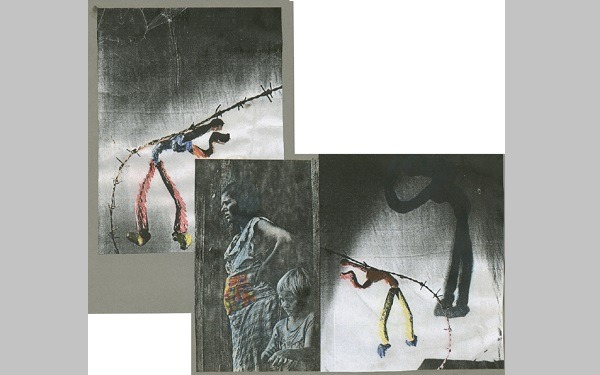
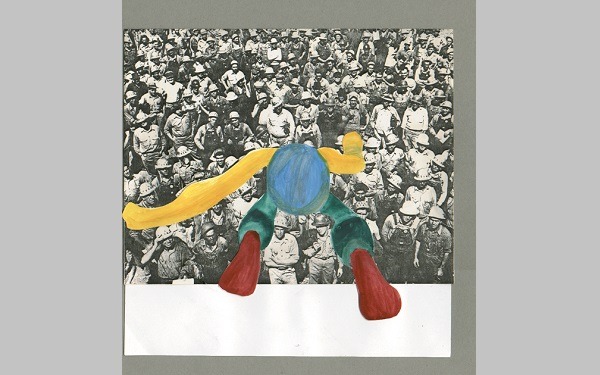
In her opinion, colors represent the constant struggle of the inner child with its outer environment, producing some contrast and effort to portray the very meaning a human soul should stand for. In her plasticized models and sketches, this struggle is illustrated so colorfully. This was the beginning of her journey into the realm of self-expression.
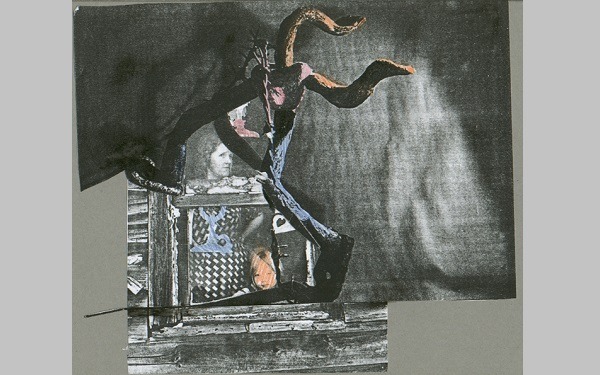
There came a time when she decided to let go of multi-color design to show what happens to a person once she chooses to leap beyond her familiar limits; she finally surrenders to the external forces of change, allowing them to carry her away from devastation into the freedom of form and movement.
The term “Self” in her works is not defined as selfishness and egotism. On the contrary, it is a representation of interactions almost every person experiences with others and their immediate environment.
In societies where these interactions are defined using a strict code of conduct, especially towards women, such behavioral anomalies tend to become evermore agonizing. These command societies are inclined to exert more pressure upon women while demanding stronger compliance from them in contrast to men.
Greater expectations of obedience increase the weight of the burden such a system places on its women; therefore, women serve as scapegoats for every mishap even though the very same society that blames them for almost every wrongdoing still views its women as defenseless objects in need of constant protection and guidance.
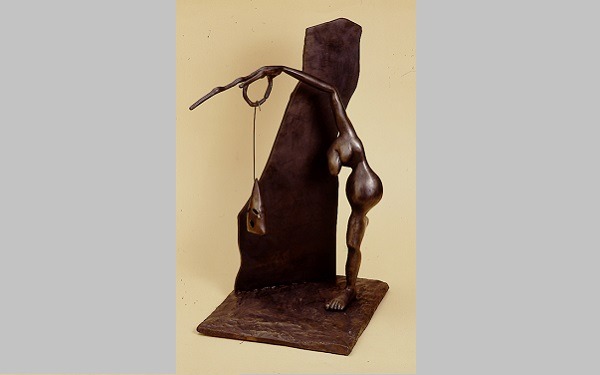
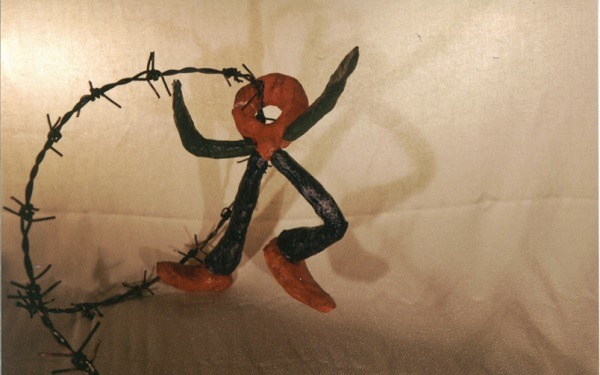
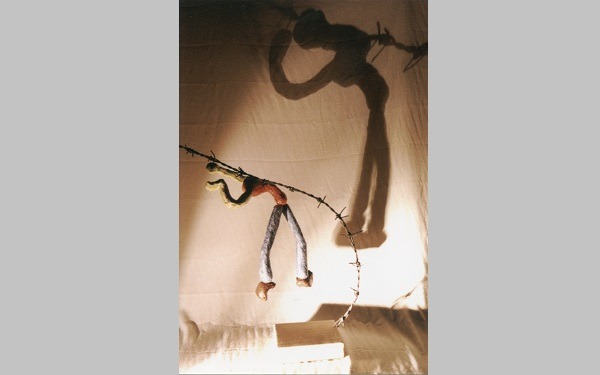
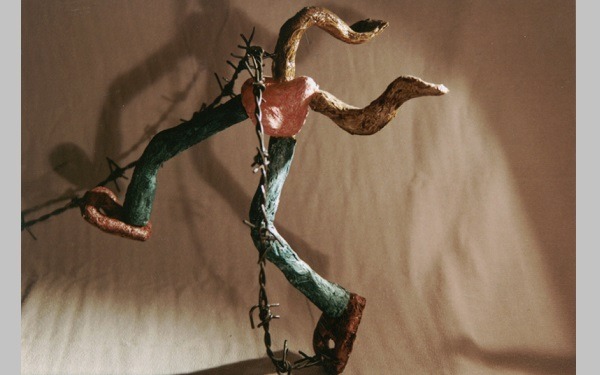
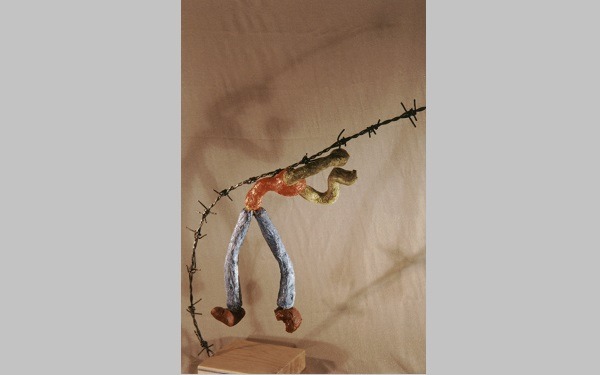
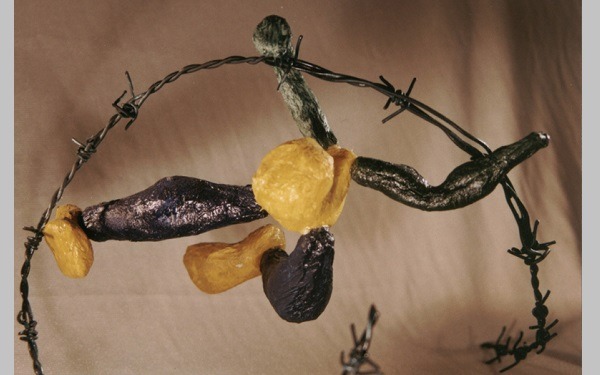
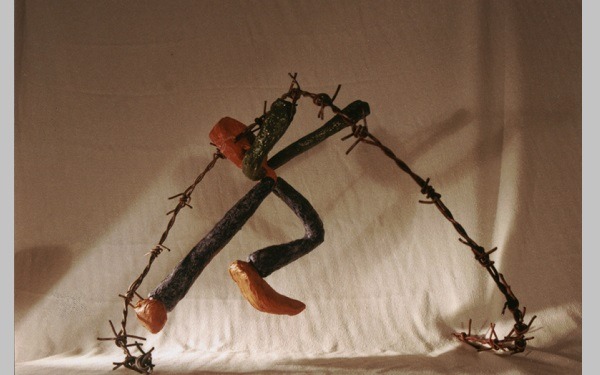
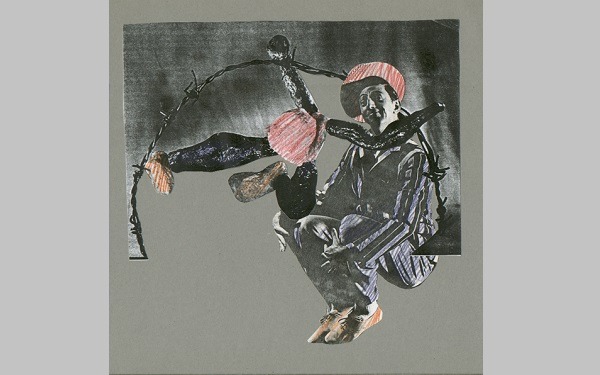
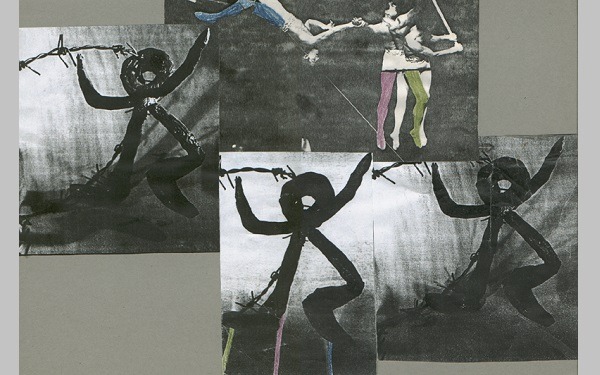
In her paper-mâché works, this notion is presented from a different angle; these clown-like figures who seem to have fun characters are regarded as irresponsible and shallow-minded creatures caught between the agonizing barbed wires of oppression.
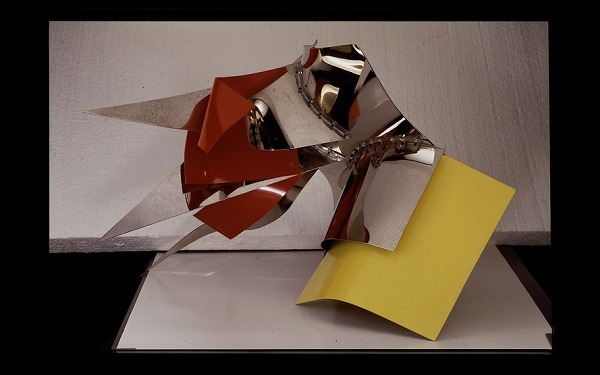
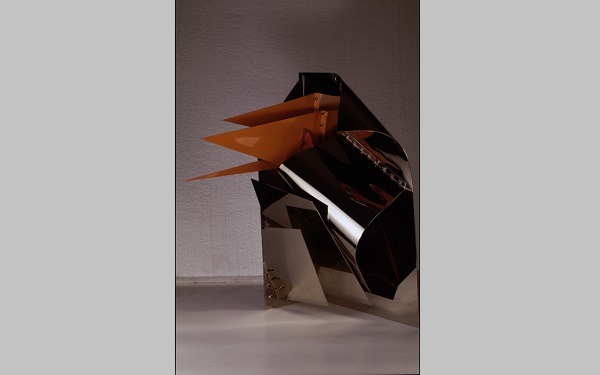
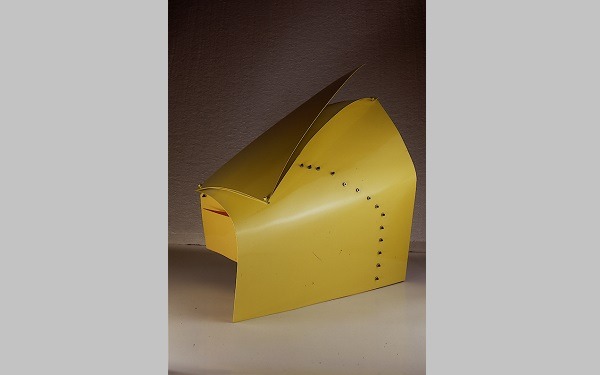
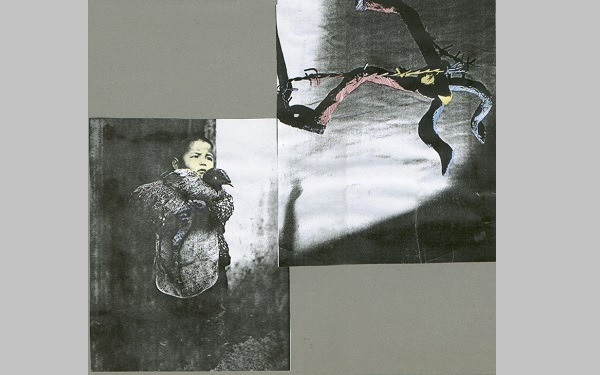
In her metal works, however — which happened to be her concluding work at the University of Tehran degree show — she finally eliminated the figures and talked just by edge and colors.